


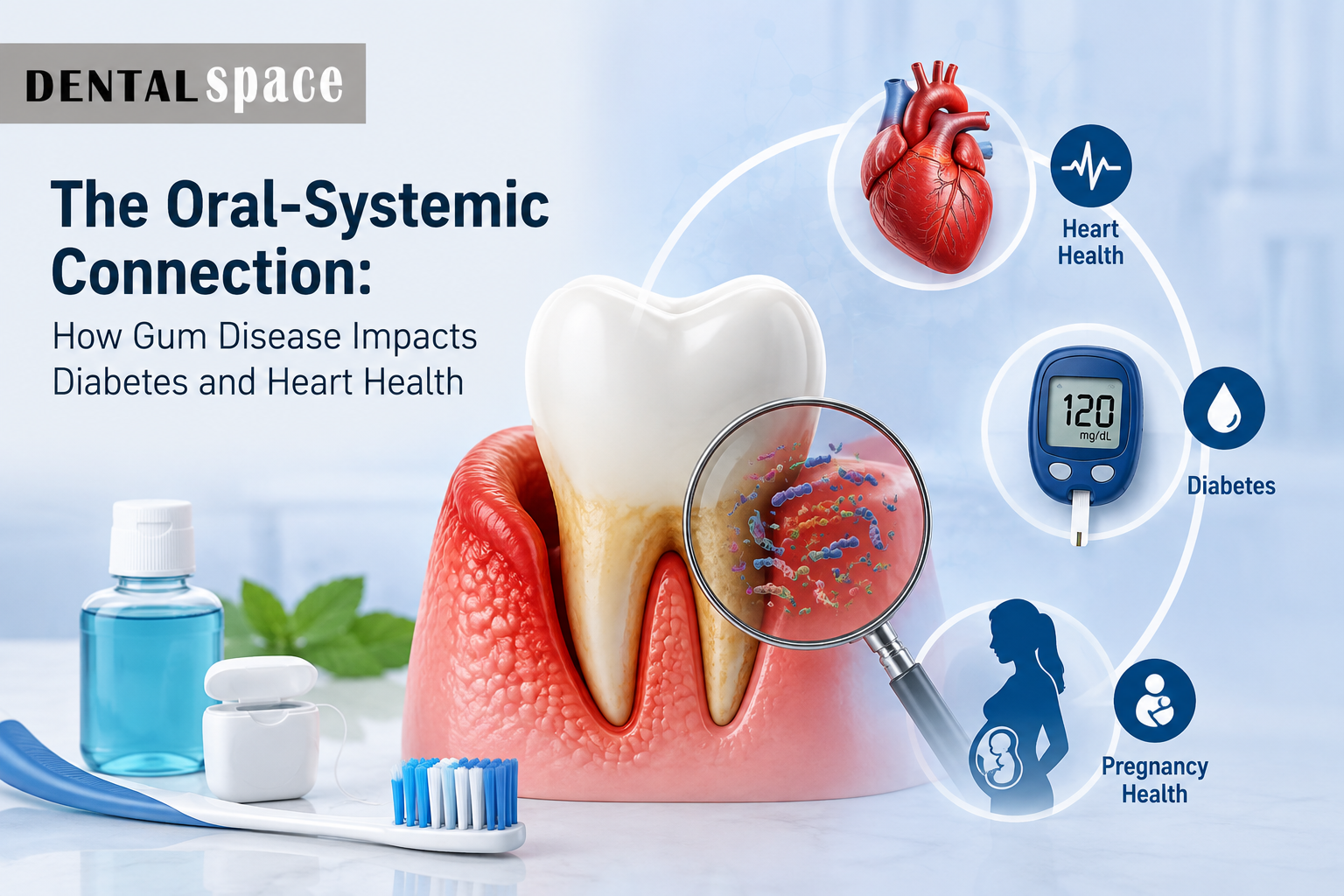
Most people think brushing and flossing are only about preventing cavities or keeping their breath fresh. But there’s a lot more happening inside your mouth than meets the eye. Every day, billions of microorganisms interact with your teeth, gums, and saliva. This invisible ecosystem, known as the Oral Microbiome, plays a much more significant role in your health than many people realise.
Research over the last decade has highlighted how periodontitis (advanced gum disease) doesn’t just stay confined to the mouth. The chronic inflammation it creates has been linked to heart health, blood sugar management, and the body’s broader inflammatory response. While the science continues to evolve, one thing is becoming increasingly clear: maintaining good oral health is about far more than preserving your smile.
Let’s take a closer look at how periodontitis connects to the rest of your body, why oral bacterial health matters, and what you can do to support it.
What Is the Oral Microbiome?
Your mouth is home to one of the most diverse microbial communities in the human body. It contains hundreds of bacterial species, along with fungi and other microorganisms.
A healthy Oral Microbiome is a balanced ecosystem where beneficial bacteria help control harmful ones. These good bacteria contribute to:
- Breaking down food particles
- Protecting teeth and gums
- Supporting your immune system
- Maintaining a healthy pH inside the mouth
Problems begin when this balance is disrupted. Elements such as poor oral hygiene, smoking, excessive sugar intake, stress, certain medications, or untreated gum disease can allow harmful bacteria to multiply – and this is where periodontitis takes hold.
How Periodontitis Affects the Rest of Your Body
Periodontitis is more than a dental problem. Once gum disease becomes chronic, it creates a persistent inflammatory state that researchers continue to study in relation to several systemic conditions.
Gum Disease and Chronic Inflammation
Periodontal disease creates ongoing inflammation, which may contribute to broader inflammatory responses throughout the body. This chronic inflammation is thought to be the key mechanism linking oral health to the systemic conditions below.
Heart Health
Inflammation caused by advanced gum disease has also been linked with a major risk of cardiovascular problems. Researchers believe that the same inflammatory pathways triggered by periodontitis may also contribute to the buildup of arterial plaque and increased cardiovascular strain. While oral bacteria are not the only cause of heart disease, and more research is needed to fully establish the mechanism, reducing chronic gum inflammation is considered an important part of maintaining overall cardiovascular health.
Diabetes
The relationship between periodontitis and diabetes runs both ways. High blood sugar can contribute to oral infections and gum disease, while severe periodontitis may, in turn, make blood sugar management more difficult. This two-way association is one of the more well-documented links between oral health and a systemic condition. The silver lining is that when experienced professionals treat periodontitis well, HbA1c levels can often drop up to 1%, making treatment a win-win.
Managing diabetes well often goes hand in hand with caring for your gums, and it’s not something to handle in isolation. Many dentists and physicians actually work together when treating patients dealing with both conditions, since the two are more connected than most people realise. So, it is always a good idea to have an experienced professional treat your gums and understand how oral health and diabetes influence each other.
Emerging Research: The Oral Microbiome and Systemic Health
Scientists are also exploring the broader role the oral microbiome may play in systemic health, since bacteria from the mouth are swallowed daily and interact with the body in ways researchers are still mapping out. This area of research is still relatively new, and a direct causal link between oral microbiome imbalance and other systemic conditions beyond periodontitis, diabetes, and heart health has not been firmly established. It’s an area worth watching, but not yet a settled science, like the periodontitis-diabetes or periodontitis-heart relationships.
How does Periodontitis affect Pregnancy?
Periodontitis during pregnancy is not just a dental inconvenience; it is a systemic threat that can quietly endanger both mother and child. Researchers have found that periodontal bacteria don’t stay confined to the mouth. Once gum disease takes hold, harmful bacteria and inflammatory byproducts can enter the bloodstream, reach the uterus and placenta, and interfere with fetal growth. This is why periodontitis has been linked to preterm birth, low birth weight, and pre-eclampsia. Even with today’s advances in prenatal care, an untreated gum infection can still work against everything that care is meant to protect.
That’s why early screening and treatment from an experienced dental professional matter so much; catching gum disease early isn’t optional, it’s one of the safeguards that protects a child’s health long before birth.
Signs Your Oral Microbiome May Be Out of Balance
Many people assume dental problems appear suddenly, but changes in the Oral Microbiome often develop gradually.
Some warning signs include:
- Persistent bad breath
- Bleeding gums while brushing
- Swollen or tender gums
- Frequent cavities
- Dry mouth
- Increased plaque buildup
- Gum recession
- Tooth sensitivity
These symptoms don’t always indicate serious disease, but you should never ignore them.
What Disrupts the Oral Microbiome?
Several everyday habits can disrupt the bacterial balance in our mouth.
Poor Oral Hygiene: Skipping brushing or flossing allows plaque to build up, giving harmful bacteria an ideal environment to thrive.
High Sugar Intake: Sugar feeds acid-producing bacteria, increasing the risk of cavities and bacterial imbalance.
Smoking and Tobacco: Tobacco products significantly alter the oral bacterial environment and increase the risk of gum disease.
Unnecessary Antibiotic Use: While antibiotics are sometimes essential, they can also disturb the balance of beneficial bacteria in the mouth.
How to Support Better Oral Bacteria Health
The reassuring part here is that many factors affecting your oral microbiome are within your control.
Brush Properly Twice a Day. Use fluoride toothpaste and brush gently for at least two minutes, ensuring you clean every surface of your teeth.
Don’t Skip Flossing. Flossing clears plaque and food particles from areas your toothbrush cannot reach, helping keep your gums healthy. Adequate water intake supports saliva production, which naturally helps regulate bacterial growth.
Eat a Balanced Diet. Foods rich in fibre, fresh fruits, vegetables, dairy products, and lean proteins help support oral health.
Schedule regular dental check-ups. Professional cleanings remove hardened plaque that brushing alone can’t eliminate. Routine examinations also allow early detection of gum disease before it progresses.
At DentalSpace, preventive care is key to helping patients maintain not only healthy teeth and gums but also long-term systemic wellness.
Why Prevention Matters More Than Treatment
One of the biggest misunderstandings about dental care is that you need consultation only when something hurts.
In reality, periodontitis, bacterial imbalance, and plaque buildup often develop silently, without pain, until significant damage has already occurred. At DentalSpace, our expert gum specialists treat all gum-related issues holistically and non-surgically. We look beyond your smile to reduce future dental emergencies. With our fairly modern dentistry approach, almost all gum-related problems are treated well to bring down the inflammation. While researchers continue to uncover new insights into the interlinkage between oral bacteria and overall health, maintaining a healthy Oral Microbiome remains one of the simplest and most practical ways to care for yourself.
Final Thoughts
Your mouth is one of the first lines of defence for your overall health. A balanced Oral Microbiome supports healthy teeth and gums while contributing to better oral bacterial health, and a growing body of evidence points to real connections between periodontitis, heart health, and diabetes.
If you have been experiencing bleeding gums, persistent bad breath, recurring dental issues, or it’s simply been a while since your last dental visit, it may be the right time for a comprehensive oral health assessment. At DentalSpace, we focus on preventive, patient-centred care with our modern approach.