

Bad breath that lingers despite brushing your teeth can be frustrating. It affects your confidence during conversations, makes you second-guess social interactions, and sometimes even signals that something more than poor oral hygiene is happening. While a mint or mouthwash may provide temporary relief, they rarely solve the underlying problem.
Comprehending the real causes of bad breath is the first step toward lasting fresh breath. In many cases, persistent bad breath, medically known as halitosis, is linked to oral health conditions that require professional attention rather than quick fixes. At DentalSpace, we believe that identifying the root cause is far more effective than simply masking the symptoms. Our patient-first philosophy focuses on preventive care, accurate diagnosis, and comfortable treatment to help people maintain healthy smiles and long-term oral wellness.
What Is Halitosis?
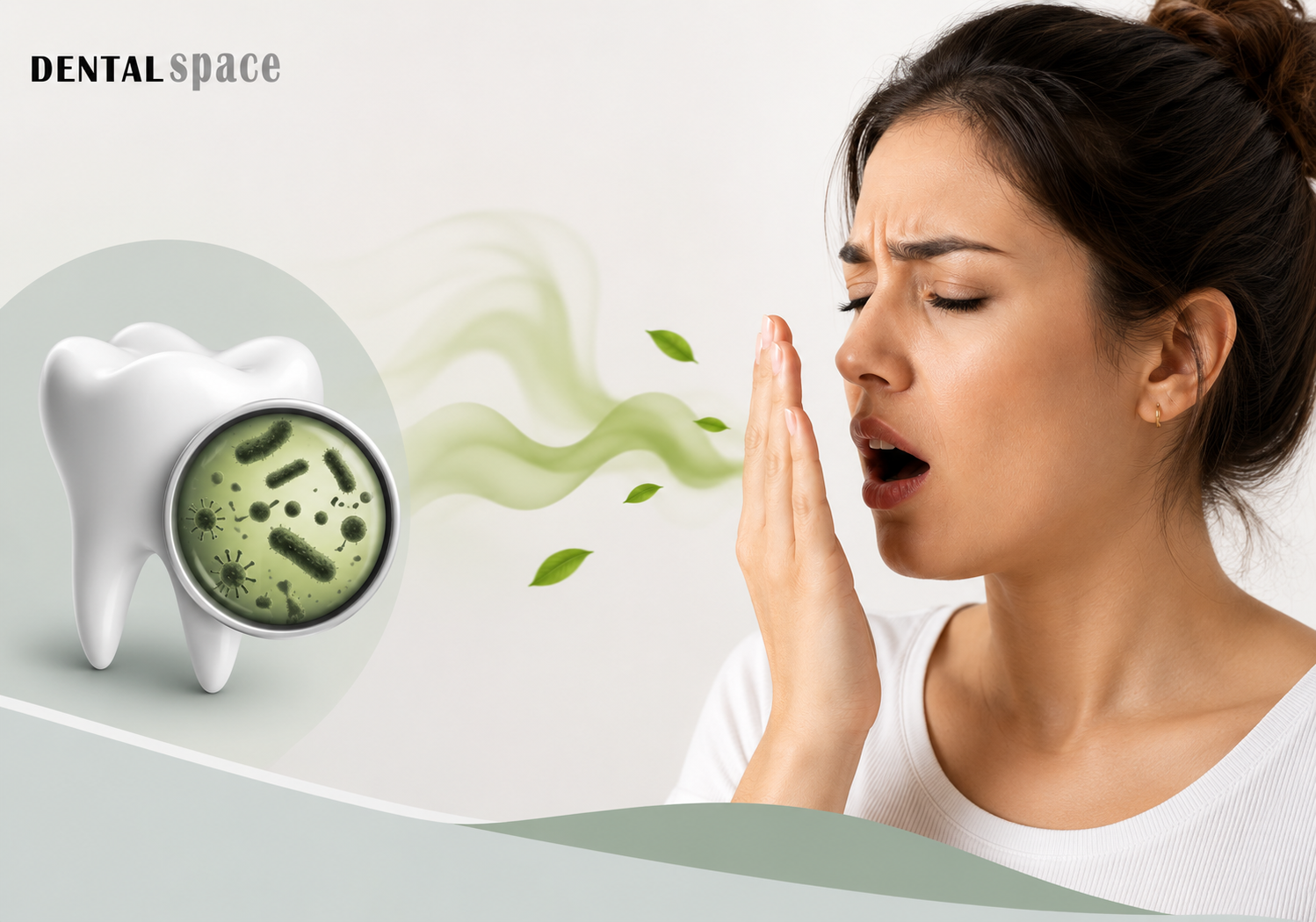
Halitosis is the medical word for tenacious bad breath that doesn’t improve with regular brushing, flossing, or mouthwash. Everyone experiences temporary bad breath after eating certain foods or waking up in the morning. However, if the unpleasant odour continues throughout the day or keeps returning, it’s worth investigating.
What many people don’t realise is that about 80 to 90 per cent of persistent bad breath originates inside the mouth. The remaining cases may be linked to medical conditions affecting the nose, throat, digestive system, or overall health. Early evaluation helps identify the source before it develops into a more significant problem.
Common Bad Breath Causes
There isn’t just one reason behind persistent bad breath. Several factors can contribute, and sometimes more than one issue is present simultaneously.
1. Poor Oral Hygiene
One of the most common causes of bad breath is inadequate oral hygiene. When food particles remain between teeth or along the gumline, bacteria begin breaking them down. This process produces unpleasant-smelling sulphur compounds.
Skipping regular brushing, flossing, or professional dental cleanings allows plaque to build up, creating an ideal environment for these bacteria.
2. Gum Disease
Healthy gums should fit snugly about your teeth. When plaque accumulates, gums can become inflamed, leading to gingivitis or more advanced periodontal disease.
One lesser-known halitosis cause is bacteria trapped inside periodontal pockets. These bacteria produce strong odours that often persist regardless of brushing alone.
If bad breath is accompanied by bleeding gums, swollen gums, or loose teeth, it’s important to seek professional dental care promptly.
3. Tongue Bacteria
Your tongue contains thousands of tiny grooves where bacteria, food debris, and dead cells collect throughout the day.
Even people with excellent brushing habits often forget to clean their tongue. As a result, bacterial buildup on the tongue becomes a major contributor to persistent bad breath.
Using a tongue scraper or brushing your tongue daily can significantly reduce bacterial buildup.
4. Dry Mouth (Xerostomia)
Saliva plays an essential role in naturally cleaning the mouth. It washes away food particles and helps control bacterial growth.
When saliva production decreases due to dehydration, medications, mouth breathing, or certain medical conditions, bacteria multiply more rapidly, leading to unpleasant breath.
Many people notice worse bad breath upon waking because saliva production naturally slows during sleep.
5. Tooth Decay and Dental Infections
Untreated cavities, cracked teeth, or dental abscesses create spaces where bacteria thrive.
In our experience, patients are often surprised to learn that a small cavity or hidden infection can be responsible for persistent bad breath. These conditions require professional treatment rather than repeated use of mouthwash.
6. Certain Foods and Lifestyle Habits
Some foods naturally contribute to temporary bad breath.
These include:
- Garlic
- Onions
- Certain spices
- Coffee
- Alcohol
Smoking and tobacco use are also major contributors. Besides leaving their own odour, they dry the mouth and raise the risk of gum disease, making bad breath worse over time.
7. Medical Conditions
Although less common, some causes of halitosis are unrelated to the teeth or gums.
Persistent bad breath may occasionally be associated with:
- Chronic sinus infections
- Tonsil stones
- Diabetes
- Acid reflux (GERD)
- Respiratory infections
- Certain liver or kidney disorders
If your dentist finds no obvious dental cause, they may recommend consulting a physician for further evaluation.
How Dentists Diagnose Persistent Bad Breath
Treating bad breath effectively begins with identifying its source.
At DentalSpace, the evaluation involves much more than checking your teeth. A comprehensive examination may include:
- Assessing oral hygiene habits
- Examining the gums for signs of periodontal disease
- Looking for cavities or damaged restorations
- Inspecting the tongue for bacterial coating
- Evaluating saliva flow
- Reviewing your medical history and medications
This thorough approach helps determine whether the problem originates in the mouth or elsewhere, allowing for a more targeted treatment plan. DentalSpace combines advanced technology with personalised, patient-focused care to make diagnosis comfortable and precise.
Effective Fixes for Persistent Bad Breath
The good news is that most cases of chronic bad breath can be successfully treated once the underlying cause is identified.
Improve Your Daily Oral Hygiene
Simple habits make a significant difference.
Aim to:
- Brush twice daily using fluoride toothpaste.
- Floss every day.
- Clean your tongue regularly.
- Replace your toothbrush every three months.
Consistency matters far more than brushing aggressively.
Schedule Professional Dental Cleanings
Even excellent home care cannot remove hardened tartar.
Professional cleanings stop plaque and tartar buildup that contribute to bacterial growth and unpleasant odours.
Routine check-ups also allow your dentist to detect cavities or gum disease before they become more serious.
Treat Gum Disease Promptly
If periodontal disease is causing your bad breath, specialised gum treatment may be necessary.
Deep cleaning approaches such as scaling and root planing help remove bacteria beneath the gumline and support healthier gums.
Stay Well Hydrated
Drinking enough water helps maintain healthy saliva production.
If dry mouth is medication-related, your dentist may recommend saliva substitutes or other management strategies.
Review Lifestyle Habits
Reducing tobacco use, limiting alcohol intake, and maintaining a balanced diet can all contribute to fresher breath and better oral health.
Small lifestyle changes often produce noticeable improvements over time.
Can Mouthwash Cure Bad Breath?
Many people assume mouthwash is the answer.
Here’s where things get interesting.
While antibacterial mouthwashes can temporarily reduce bacteria and freshen breath, they usually don’t eliminate the actual cause. If gum disease, cavities, or dry mouth are responsible, the odour typically returns after the mouthwash wears off.
Think of mouthwash as a helpful addition to your routine rather than a complete solution.
When Should You Visit a Dentist?
Persistent bad breath should never be ignored, especially if it lasts for several weeks despite good oral hygiene.
You should schedule a dental evaluation if you notice:
- Bad breath that keeps returning
- Bleeding or swollen gums
- Loose teeth
- Persistent dry mouth
- Tooth pain or sensitivity
- A persistent bad taste in your mouth
Early diagnosis not only improves your breath but can also prevent more complex dental problems later.
Frequently Asked Questions
What are the most common bad breath causes?
Poor oral hygiene, gum disease, tongue bacteria, dry mouth, cavities, smoking, and certain medical conditions are among the most common causes of persistent bad breath.
What are the leading halitosis causes?
Most halitosis causes originate inside the mouth, particularly bacterial buildup, gum infections, tooth decay, and inadequate oral hygiene.
Can poor breath be a symptom of gum infection?
Yes. Constant bad breath is often one of the earliest signs of gingivitis or periodontal disease because bacteria accumulate beneath the gumline.
Does brushing alone remove bad breath?
Not always. Brushing is essential, but flossing, tongue cleaning, hydration, and professional dental cleanings are equally important for long-term results.
Can bad breath come from medical conditions?
Yes. Conditions such as sinus infections, acid reflux, diabetes, and certain respiratory or systemic illnesses can contribute to chronic bad breath when oral causes have been ruled out.
Fresh Breath Starts with the Right Diagnosis
Persistent bad breath isn’t something you simply have to live with. Most bad breath causes are treatable once they’re properly identified, and early intervention can protect both your oral health and your confidence.
At DentalSpace, we take a comprehensive, patient-centred approach to diagnosing and treating the causes of halitosis, combining advanced dental technology with gentle, personalised care. If bad breath has become a recurring concern, a professional evaluation can help uncover the reason and guide you toward a healthier mouth and fresher breath that lasts.